-
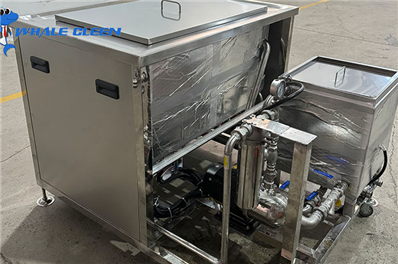 Enhancing the Longevity of Electrical Equipment with Ultrasonic Cleaning Technology
In the power industry, maintaining the operational efficiency and longevity of electrical equipment is critical. Equipment such as transformers, insulators, circuit breakers, and other power distribution devices must function reliably over extended period
-
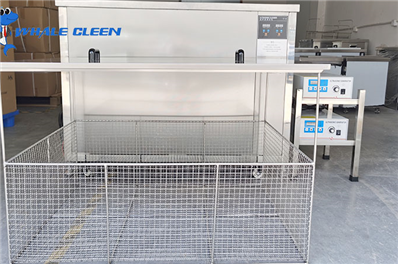 The Outstanding Performance of Ultrasonic Cleaners in Power Equipment Maintenance
In the power generation and distribution industry, maintaining the cleanliness and functionality of electrical equipment is essential for ensuring continuous and efficient operations. The accumulation of dust, dirt, grease, and other contaminants on power
-
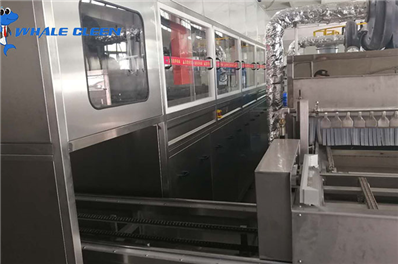 Ultrasonic Cleaning Technology for Ensuring Optimal Performance of Electrical Metal Equipment
Cleaning electrical metal equipment is crucial for maintaining their efficiency and prolonging their lifespan. Ultrasonic cleaning technology plays a vital role in this process. This article will delve into how ultrasonic cleaning machines ensure the effi
-
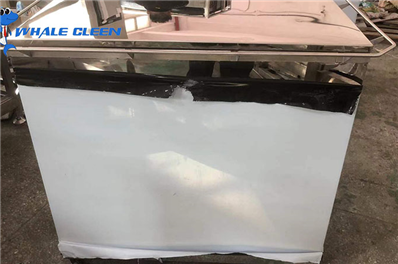 Understanding Power Failures in Ultrasonic Cleaning Machines
Ultrasonic cleaning machines are widely used in various industries due to their efficiency in removing contaminants from delicate and complex parts. However, power failures can occur, disrupting the cleaning process and potentially causing damage to the m
-
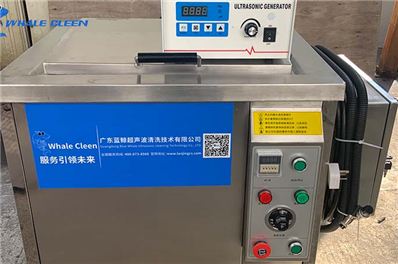 Safety protection measures for organic solvent ultrasonic cleaning
Analysis of fire safety hazards of organic solvents, organic solvents have flammable and explosive, so it is necessary to establish fire prevention, and explosion of the corresponding countermeasures. General organic solvent combustion needs to meet three
-
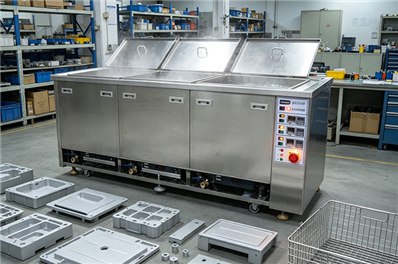 Ultrasonic Electrolytic Cleaning for Molds: Eliminate Gas Coke and Toner Residue That Causes Yellowing and Flow Marks
The Persistent Mold Contamination Problem In injection molding, the mold is the heart of production. But over time, even the best-maintained molds accumulate stubborn contaminants that no amount of wiping or solvent dipping can fully remove. Two of the
-
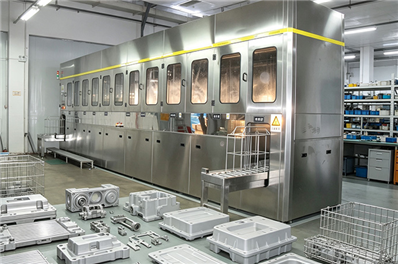 How Many Types of Electroplating Hardware Blanks Can One Ultrasonic Cleaning Machine Handle?
Walk into any hardware electroplating facility, and you will see a staggering variety of workpieces moving through the production line. Stamped brackets, machined housings, threaded fasteners, die-cast components, precision turned parts—each with its own
-
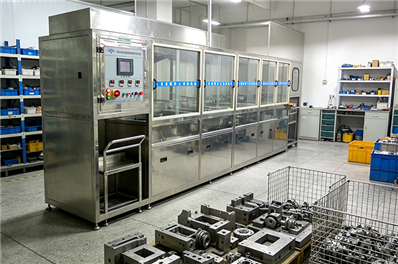 One Ultrasonic Machine, Three Critical Cleaning Tasks – Can It Really Handle Silicon Material, Solar Cells, and Terminal Blocks in One Go?
In photovoltaic manufacturing, semiconductor fabrication, and electronic component production, cleaning is never a single-step affair. Different materials, different contaminants, and different surface sensitivities demand different approaches – or so the
-
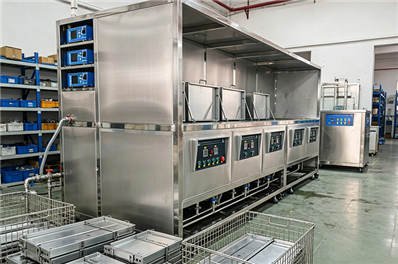 Ultrasonic Cleaning Machine: The Only Way to Eliminate Cutting Oil Sludge from Deep Grooves and Restore Plating Adhesion
For metal finishing shops and precision component manufacturers, few quality failures are as financially devastating as plating rejection caused by inadequate pre-cleaning.The scenario is painfully familiar. A batch of precision-machined components—hydrau
-
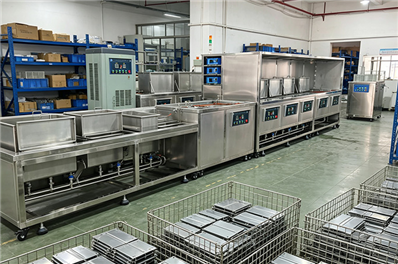 Ultrasonic Cleaning Machine: The Definitive Solution for Rust and Oil Contamination That Spray Cleaning Leaves Behind
In metal parts manufacturing and heavy equipment maintenance, few scenarios are as frustrating—and as costly—as the inspection failure that follows an inadequate cleaning process.The scenario plays out in workshops every day: a batch of precision metal co
-
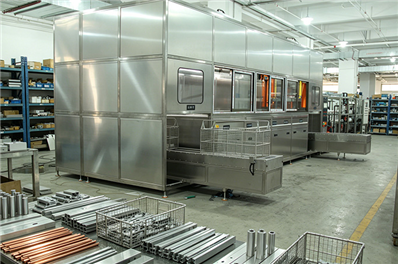 One Automatic Ultrasonic Cleaning Machine: How to Handle Milling Cutters, Calipers, and Taps with Ease
In a typical machining workshop, the tool and gauge cabinet is a study in diversity. You will find high-speed steel milling cutters with sharp, complex flutes; precision calipers with delicate measuring faces and rack teeth; and hardened taps with intrica
-
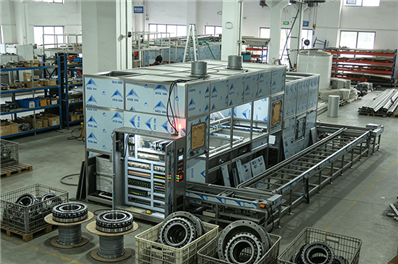 Ultrasonic Cleaning Machine: The Cost-Effective Solution for Mold Parts Cleaning
In the manufacturing industry, the cleaning of mold components—such as core pins, ejector pins, and intricate mold inserts—has long been a silent drain on production budgets. The costs are not limited to cleaning agents and labor; they extend to rejected